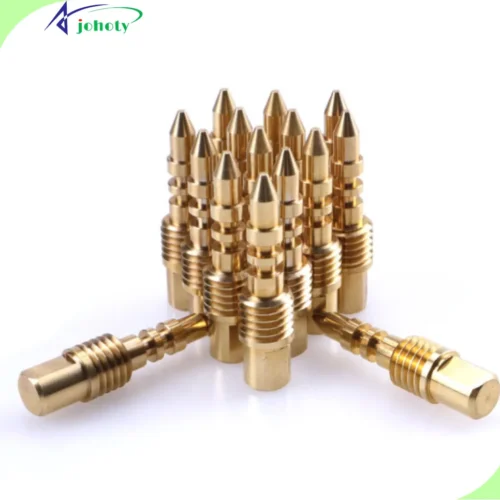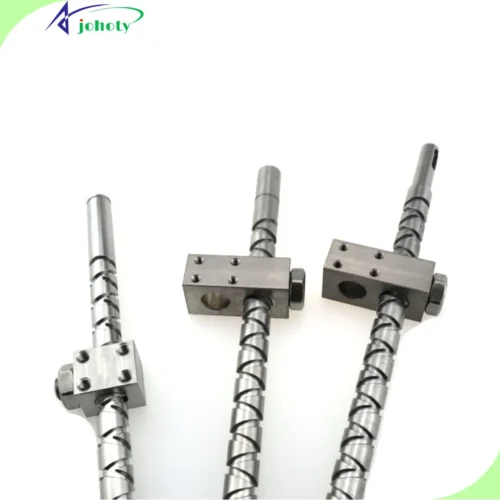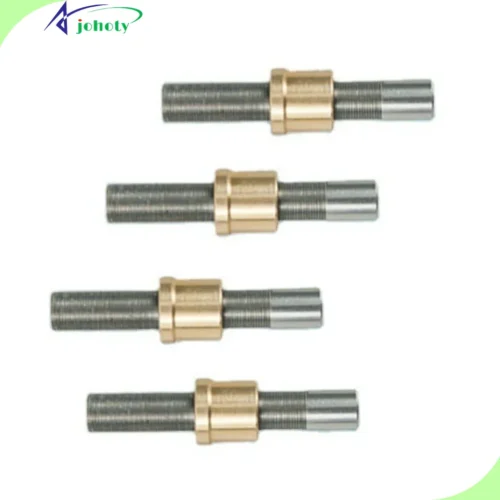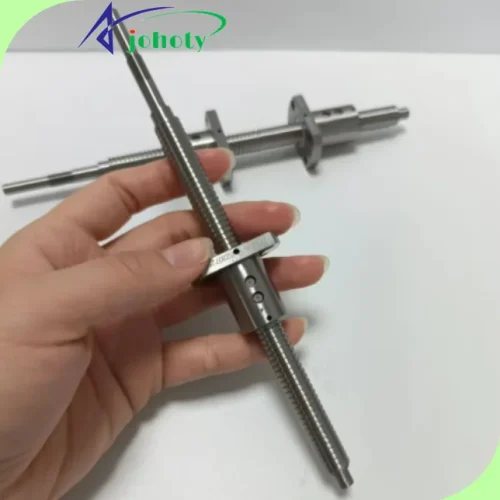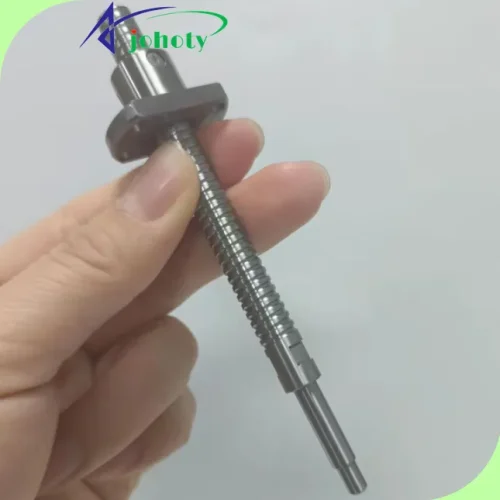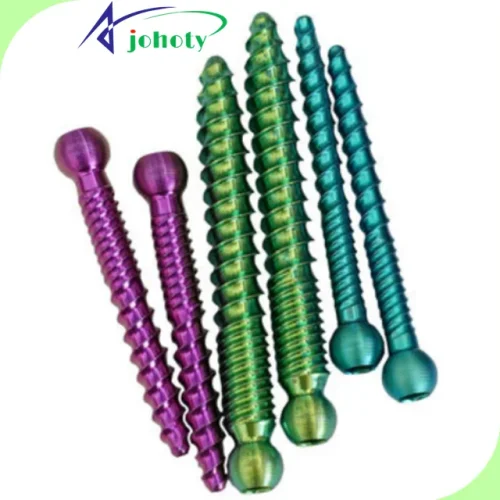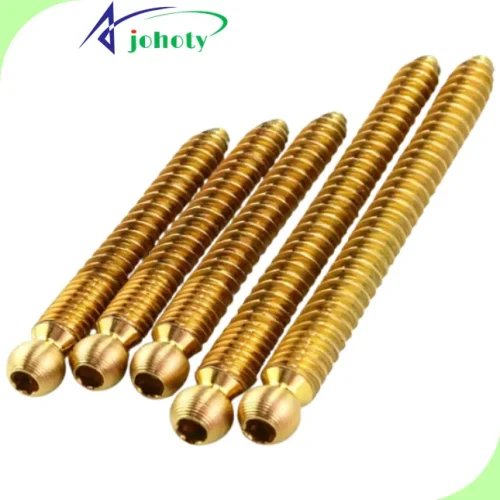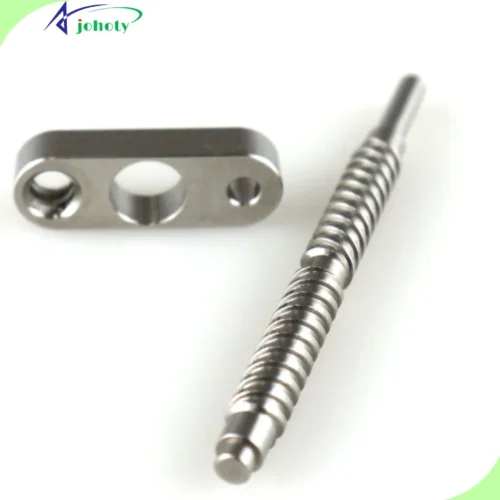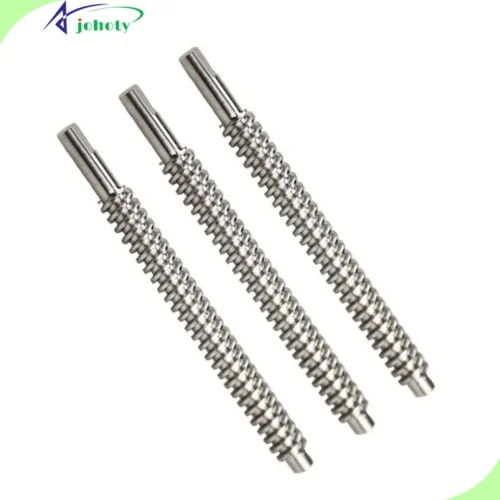
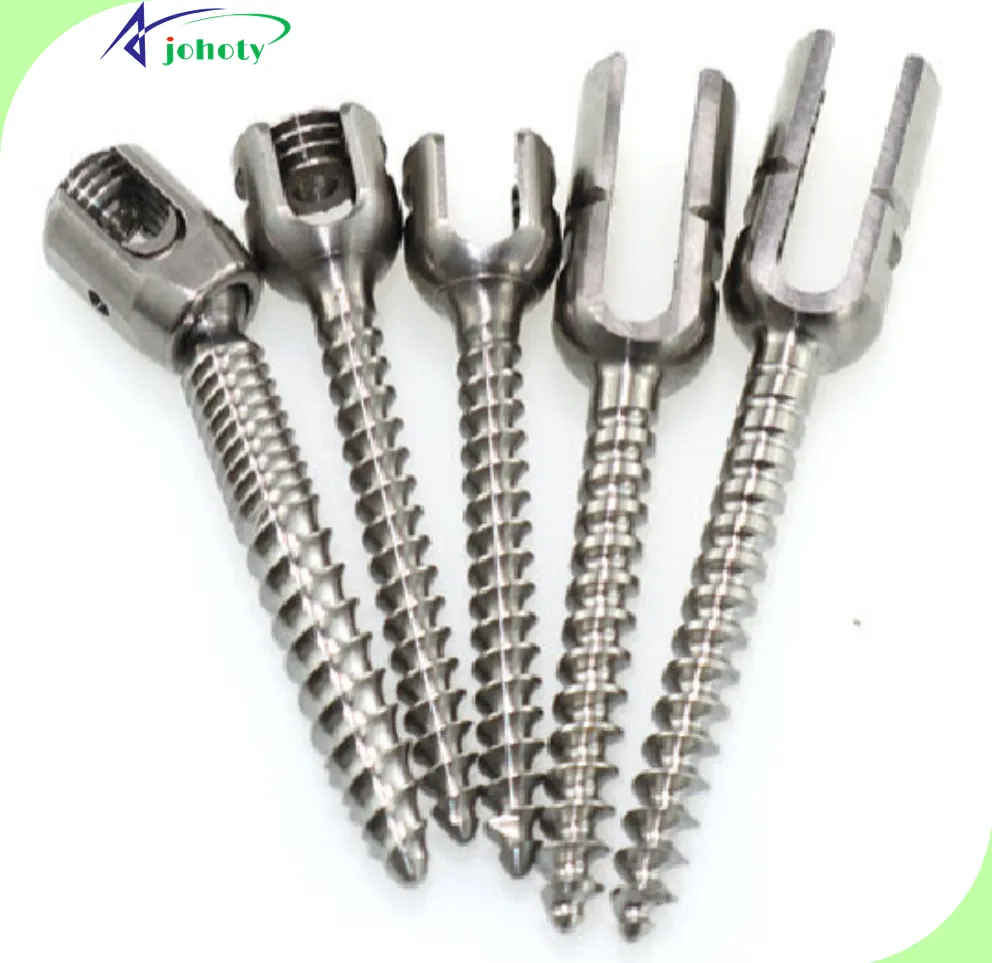
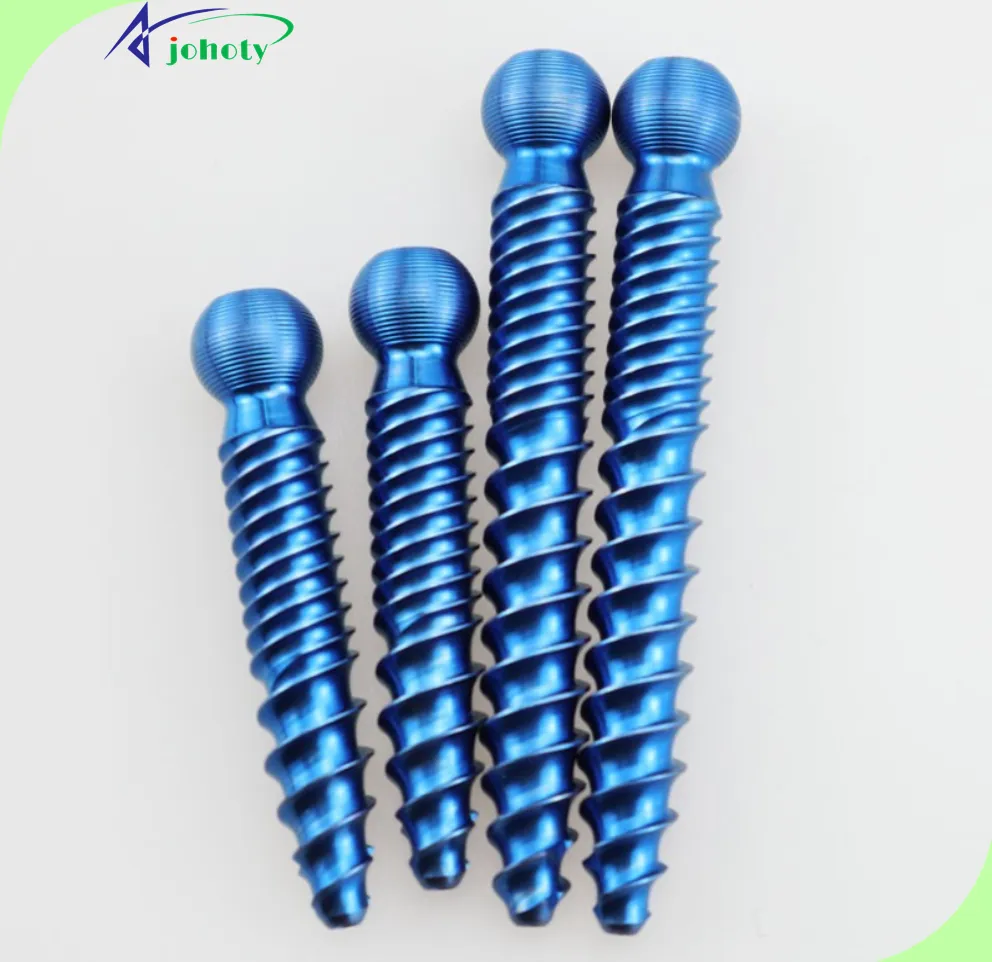
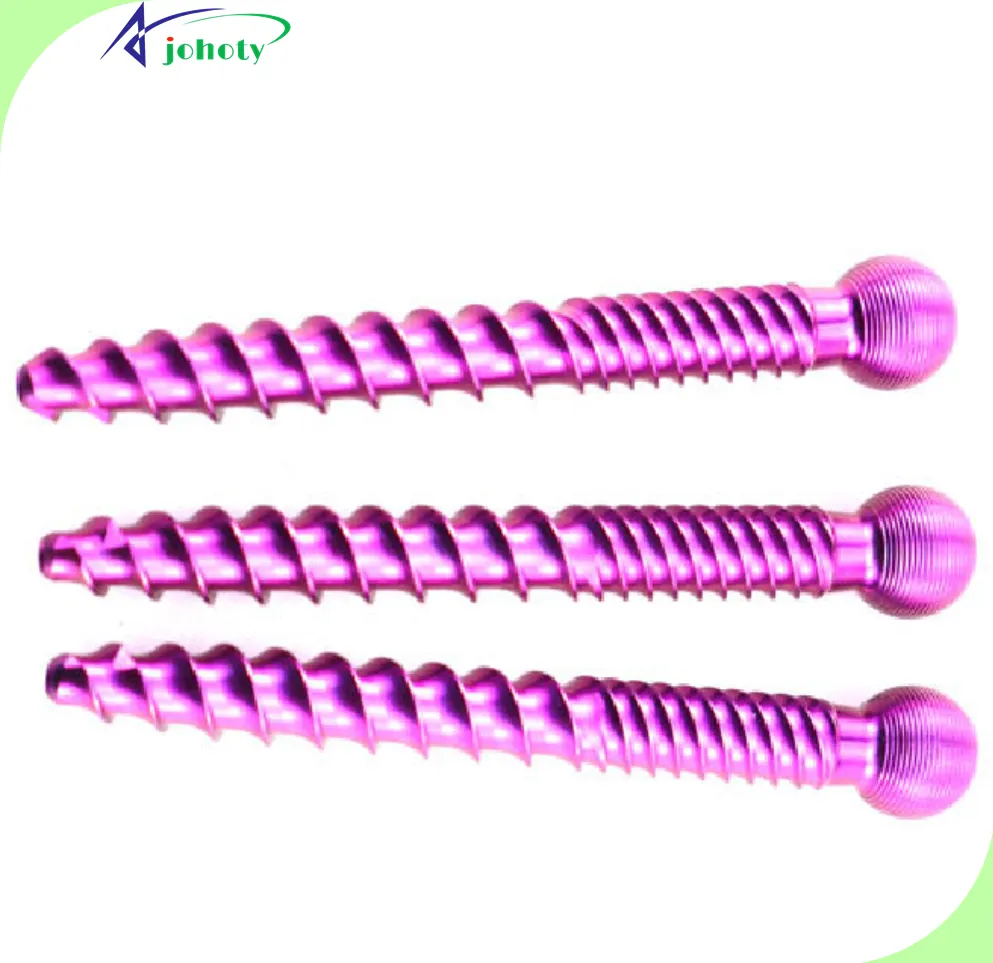
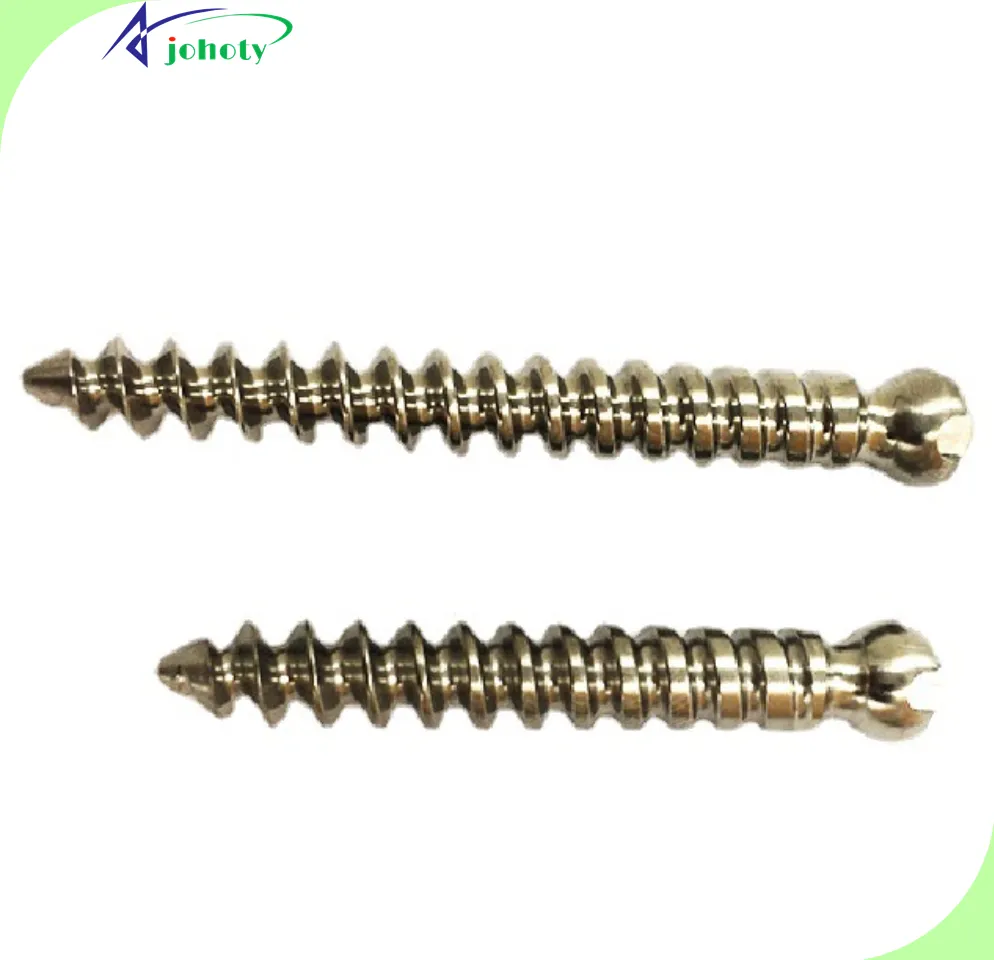
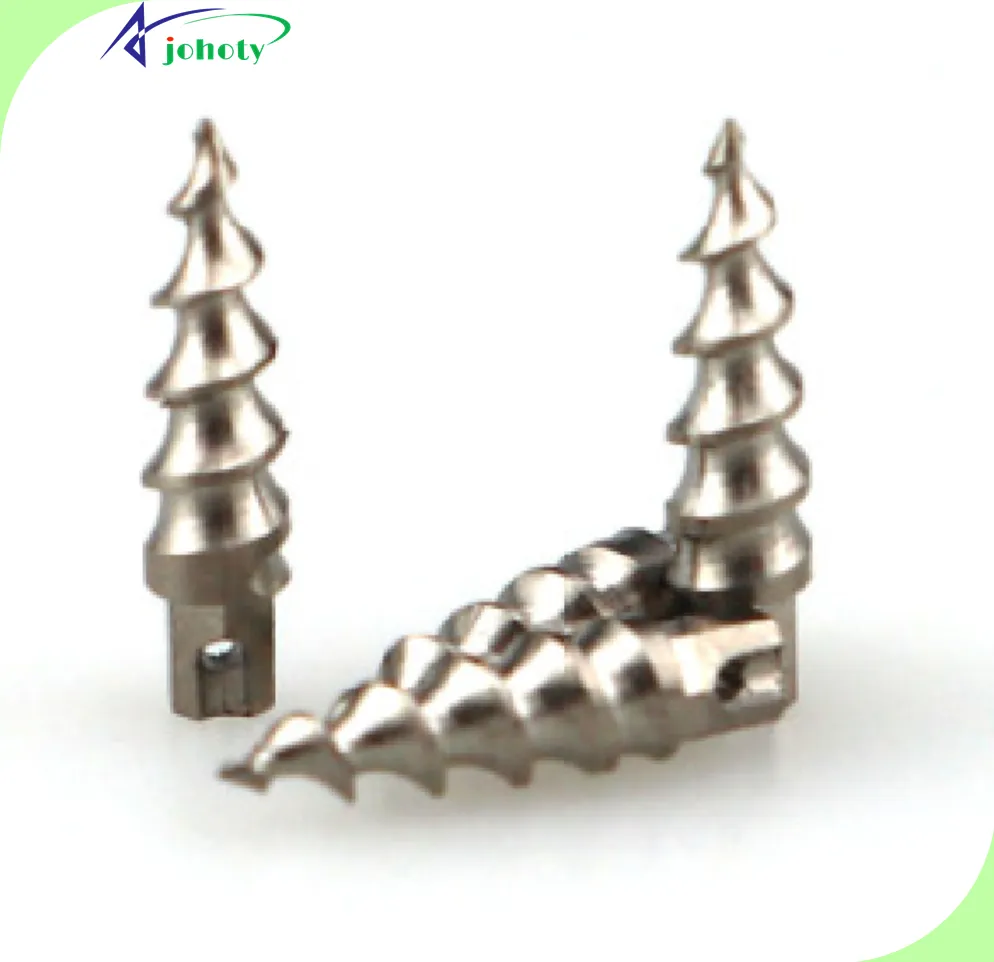
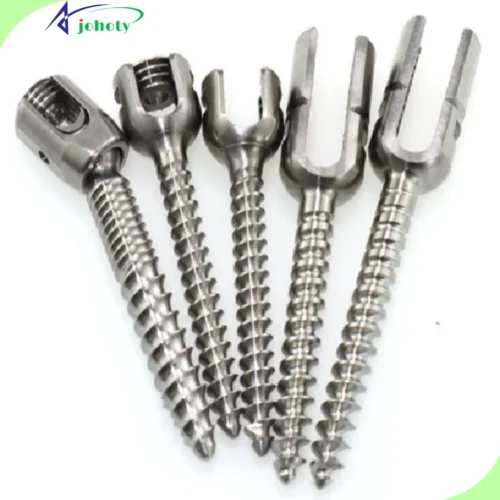
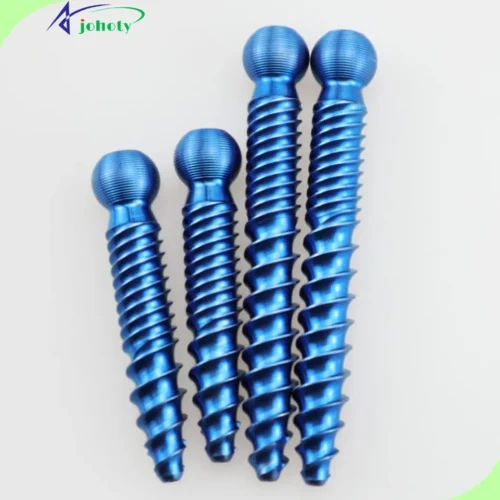
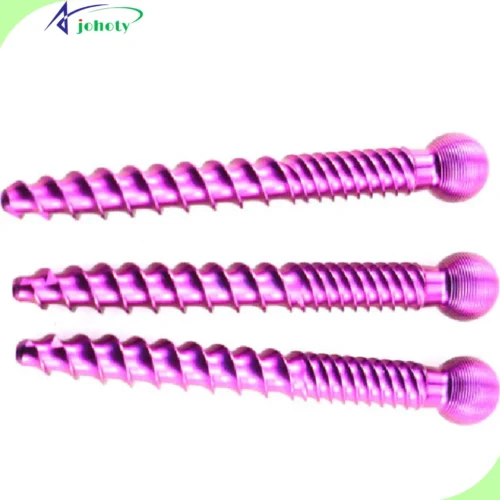
Description of Bone Screws
Bone screw mechanical specifications:
Materials: Ti (ASTM F67 CP Ti), TC4 Ti-6Al-4V ELI (ASTM F136), medical stainless steel SUS (ASTM F138/F139).
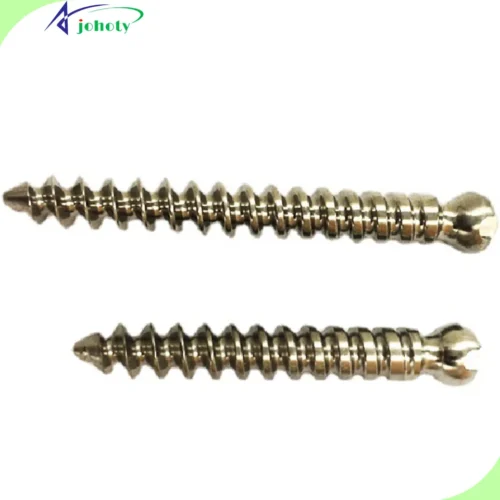
Size: Outer diameter: Ø 1.50-7.50 mm, effective thread length: 4-60 mm, pitch: fine thread, variable pitch, cortical bone & cancellous bone specific thread.
Thread: Can be designed with a thread angle of 30° -60°, rounded thread crest, blunted treatment to reduce stress concentration. Optional deep thread, double thread, self-tapping groove, self-drilling tip.
Head shape: low profile hexagonal/Star/Torx/self-locking, round head, countersunk, multi-directional locking.
Surface and roughness: Micro roughness Ra 0.2-1.5 μ m controllable, sandblasting + acid etching, anodizing, passivity, specific surface energy design.
Mechanical properties: Tensile strength: Ti/TC4≥860-900 MPa, SUS ≥650-750MPa. Yield strength (0.2%): ≥795 MPa(TC4), ≥ 550 MPa (medical SUS). Fatigue life: According to ASTM F543/ISO 6475 torque, pull-out force, and fatigue testing. Maximum recommended torque and safety factor: Engineering grade curves can be provided based on diameter and material.
Quality and defect control: Surface and internal defects shall be inspected 100% visually and randomly by metallographic/CT/penetrant testing in accordance with ASTM/ISO standards. The dimensional tolerance is IT6-IT8 level, and the critical dimensions are subject to the tolerance specified in your drawing.
Bone screw application + performance + compatibility:
Functional applications: Internal fixation for limb fractures, spinal assisted surgery, periarticular fractures, and minimally invasive locking plate system matching. Used for routine orthopedic surgeries such as trauma, spine, sports medicine, and hand and foot surgery.
Key Performance:
Bone matching thread design: For cortical and cancellous bones, adjust thread depth, pitch, tooth shape, and taper. To enhance the pull-out strength and bone implant interface stability.
Anti-torque sliding tooth design: The head drive is designed to match the torque capacity, paired with hexagonal/Torx anti slip teeth. Control screw slippage vs. bone destruction through ASTM torque testing and failure mode analysis.
Low profile head: reduces soft tissue stimulation and incision effects, leaving space for minimally invasive and secondary surgeries.
Controllable micro roughness/surface modification: By regulating surface roughness and microstructure, it balances initial mechanical fixation with medium to long term bone integration. Surface systems that are more inclined towards easy extraction or enhanced integration can be selected according to the project.
Systematic mechanical verification: Perform tightening torque, insertion force, extraction force, and fatigue performance verification according to ASTM. Evaluate the mechanical matching at the system level together with the bone plates and connectors provided by the customer.
Compatibility:
Based on your existing bone plate hole type, angle locking, and driving type, perform geometric reverse matching of screws.
Customize according to your existing aperture, countersunk angle, and locking thread specifications.
Based on material grades, thread standards, plate hole geometry, and expected mechanical indicators, adaptability evaluation and design recommendations can be quickly provided.
Johoty’s Value in Bone Screws
Material and compliance capabilities: Deeply cultivating Ti, TC4 ELI, medical SUS, traceable to batches, supporting ASTM/ISO medical grade compliance. Familiar with European and American registration and document requirements, able to provide material reports, mechanical verification reports, and process documents.
Thread engineering and bone matching development: The team has experience in thread engineering from bone plate systems, screws, and bone environments. Engineering optimization of thread, taper, and tip forms can be carried out based on cortical/trabecular and density gradients.
Anti-torque sliding teeth and low profile design: Based on the torque deformation curve, the design prioritizes controlling the efficiency of torque transmission and the safety boundary of sliding teeth. Serving low-profile systems and minimally invasive applications.
Controllable surface and micro defect control: complete coverage of sandblasting, acid etching, anodizing, and passive processes, with closed-loop control for Ra and Rz. By managing scratches, cracks, inclusions exposure, and surface burns through process and PFMEA, the consistency of fatigue performance is ensured.
Catalogs of Bone Screws, Dental Implant Screws
Challenges and Solutions of Bone Screws
Bone screws material compliance, bone matching, and systematic mechanical validation
Challenges: Engineers often require Ti and 316L to meet both ASTM medical standards and clinical bone matching requirements. And the fatigue strength and yield limit need to be verified by ASTM F543. However, traditional manufacturers often face a gap between standard compliance and actual bone mechanics adaptation.
Johoty solutions:
Material traceability and modification technology: Implant material identification cards from the procurement of alloy bars. Micro arc oxidation/laser polishing surface modification to maintain ASTM chemical purity. Regulating surface modulus to achieve gradient mechanical matching with cortical/cancellous bone.
ASTM + alpha validation: Tensile/torsional testing, providing fatigue spectrum testing based on clinical data. Verify the correlation between Ra 0.8-1.6 μ m and bone integration rate to ensure consistency between compliance and clinical efficacy.
Anti-torque sliding tooth design and micro defect control of bone screws
Challenges: Strip out during bone screw implantation is a critical intraoperative risk point in osteoporosis. Traditional design relies on thread shape optimization, but lacks collaborative control of micro cracks in rolled threads. This will lead to a disconnect between theoretical design and actual performance.
Johoty solution:
Thread engineering and defect control: Design optimized for different bone types using FEA assisted pitch/depth ratio. Cold forging process + SEM micro inspection reduces the stress concentration at thread root by ≥ 30%. And control the sub surface defects to be less than 5 μ m.
Anti-slip tooth validation: Provides torque extraction curves from different bone densities to synthetic/ex vivo bone testing. The maximum Tinsert/Stripe ratio is ≥ 1.8.
Low profile design, controllable roughness, and full traceability bond screws
Challenges: Minimally invasive surgery requires low profile bone screws and thinning of the head, but must ensure torque transmission strength. The surface roughness needs to be precisely balanced between promoting bone integration and reducing soft tissue friction. Supply chain traceability often stops at batch documents and cannot be associated with individual bond screws.
Johoty solutions:
Topology optimization and surface microtexture: Laser selective melting designs thin-walled reinforcement ribs for screw heads. Under the condition of keeping the outer diameter ≤ 3.5mm, the torque resistance is increased by 25%. The surface is subjected to electrochemical polishing and pit array controllable treatment, achieving a bone contact surface Ra ≈ 1.2μm and a non-contact surface Ra 0.5μm.
Digital traceability: Each bond screw can identify the raw material melting batch number, milling speed, surface treatment process chain, and final inspection data package.
Why Choose Johoty’s Bone Screws ?
Johoty focuses on material controllability, structural strength, micro surface engineering, and full process compliance. Realize torque reliability, osseointegration matching, micro defect suppression, and ASTM verification closed-loop for Ti/TC4/SUS bone screws.
Benefits of Bone Screws

Material compliance and precision engineering capability:
Benefits: Johoty can provide Ti, TC4, and SUS that comply with ASTM/ISO, achieving controllable metallurgical composition, microstructure, and mechanical properties. Deep technological collaboration allows you to fine tune material heat treatment based on cortical/cancellous bone and load, optimizing the balance of strength toughness fatigue life.
Challenges solved: The pressure of strict FDA/CE and clinical performance requirements. Engineers need compliant materials and an engineering adjustable material system. Johoty provides transparent supply chain and deep materials science data. Engineers can use materials as design variables rather than constraints. Meet the dual requirements of innovative design and compliance verification.

Integrated design and manufacturing of threads and structures:
Benefits: Johoty provides thread engineering and bone matching, anti torque sliding tooth design, and low profile solutions. Implement complex optimization of variable pitch, asymmetric thread profiles, and transition zones. Through micro roughness, anodizing, and sandblasting, the friction coefficient and bone integration characteristics are precisely adjusted.
Challenges solved: Standard threads are difficult to handle complex bone conditions and surgical procedures. Maximizing grip force within a limited space, avoiding intraoperative tooth slippage, and promoting long-term stability. Johoty can assist you in translating research findings into thread geometry and surface conditions. Directly address the gap between design ideals and manufacturing feasibility.

Micro quality and traceability control:
Benefits: Johoty integrates non-metallic inclusions, micro-cracks, and full chain traceability into the production system. Through precision forming, special processing, and process identification, each batch of bond screws has high consistency and traceability. Provide a reliable data foundation for ASTM F543 static/fatigue testing.
Challenges solved: Any small variation in Bone Screws can lead to fatigue failure. Engineers find it difficult to ensure high transparency and consistency in the manufacturing process. Johoty provides complete quality testing reports from raw materials to finished products. Engineers have no SCM risk and meet your quantity system audit requirements.

Collaborative engineering of design and rapid iteration:
Benefits: Johoty pre-positions and synergizes the ASTM validation process. We can provide manufacturing solutions that meet validation requirements based on design in advance. Our Bone Screws’ manufacturing flexibility enables rapid iteration of prototypes, accelerating the design validation optimization loop.
Challenges solved: Engineers are often limited by long prototype iteration cycles and expensive validation costs. We need a manufacturing partner who can deeply understand validation logic and quickly respond to design changes. Johoty can transform itself into a scalable manufacturing laboratory for engineers. It can significantly compress the time from concept to reliable bond screws.
Applications of Bone Screws
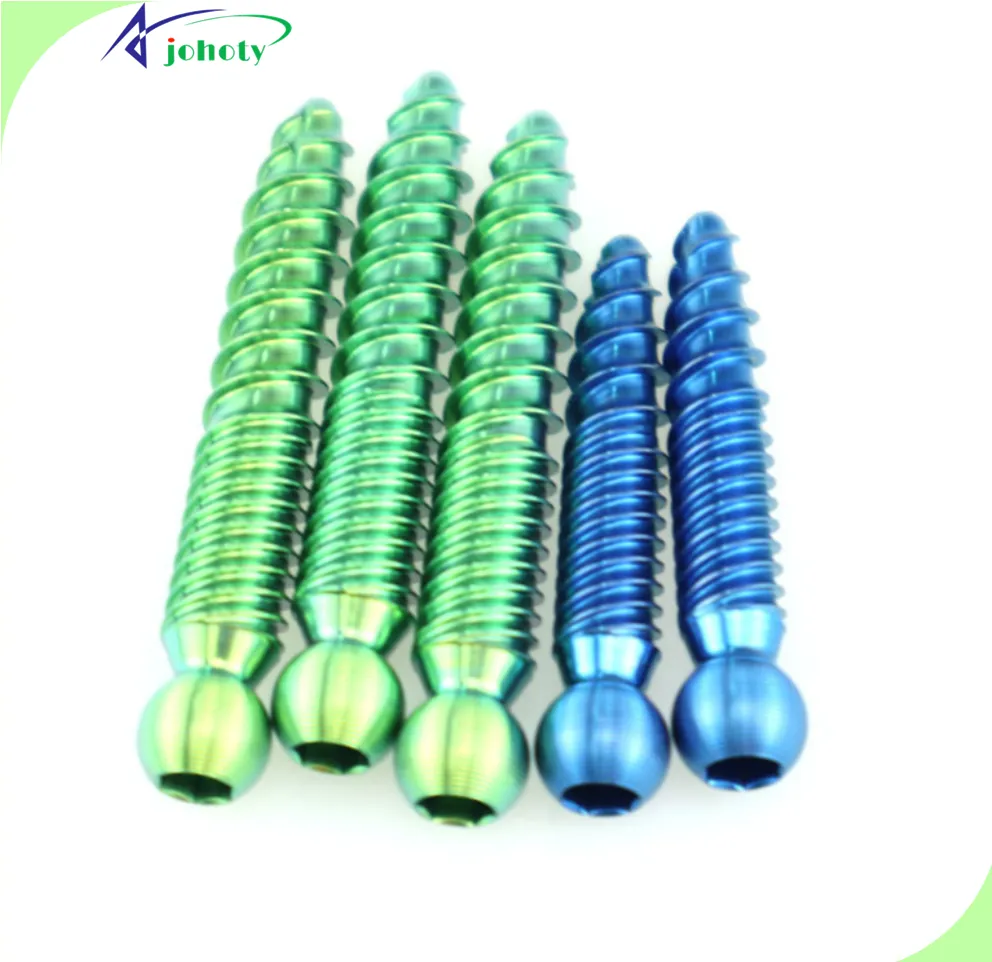
Long bone epiphyseal, locking bone screws
Challenges: The cortical bone is hard, the threaded bite window is narrow, and it is easy to have difficulty screwing in, over twisting, and micro cracking.
Function: Thread engineering and bone matching + anti torque sliding tooth design make the torque axial force curve of bone screws more predictable.
Customizations: bone screws head shape, drive type (Torx, Hex), pitch adjustment, pre drilling strategy matching, Ti, TC4, SUS material switching, low profile.
Solutions: Use ASTM system for drawing, twisting, fatigue matrix, and pre validate the design process coupling risk of bond screws.
Efficiency improvement and cost savings: No unified public figures available. The common path is to reduce rework and verification rounds.
Advantages: The initial stability and batch consistency of bone screws are more easily proven by data.
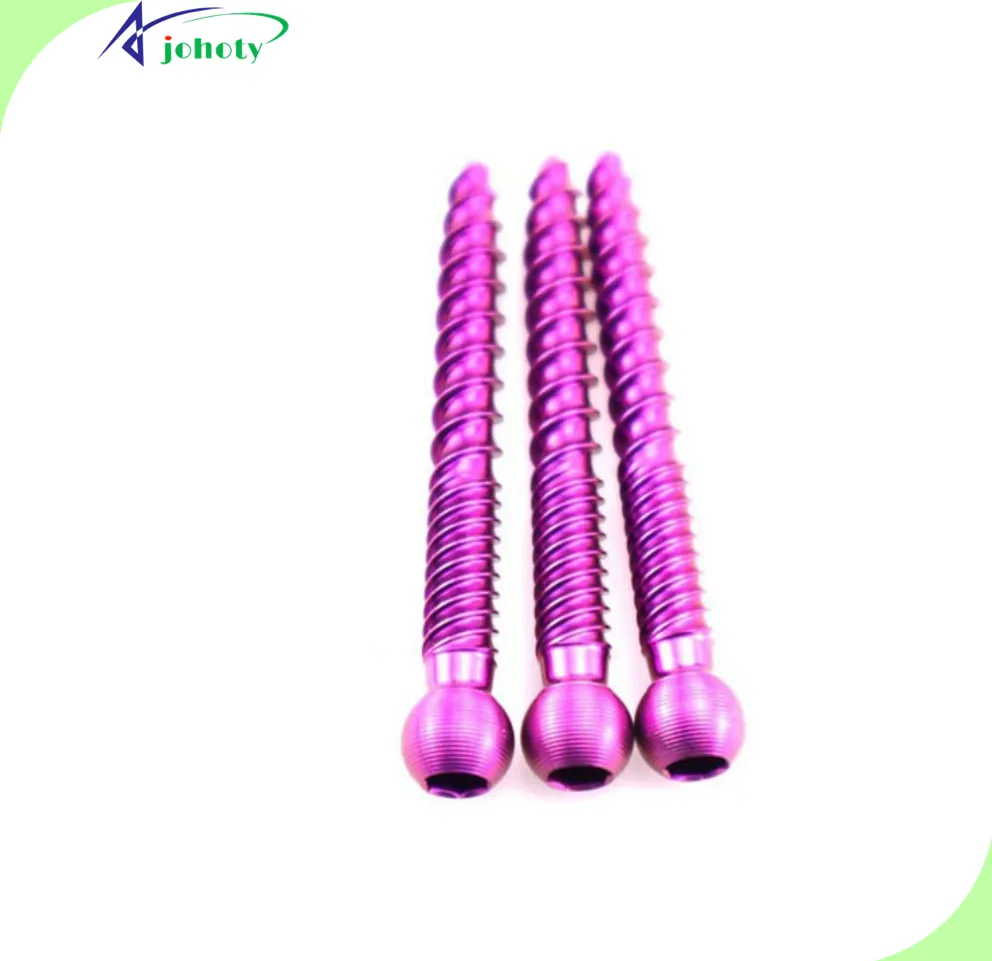
Fixed area for Cancellous Bond Screws
Challenges: Loose bone density fluctuates greatly, and bone screws are prone to idling and early loosening.
Function: Controllable micro roughness, surface modification, enhancing early interface friction and osteogenic window.
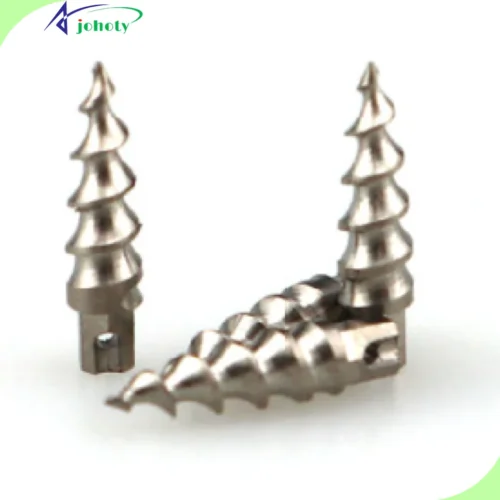
Customization: large pitch, double thread, progressive tooth height, hollow guide pin structure, matching different bone layers.
Solutions: Establish a bone screws design rule library for bone density distribution, thread parameters, and torque limits.
Efficiency improvement and cost savings: Project estimation is required. Quantification can be achieved by reducing bone stratification and SKU fragmentation.
Advantages: Johoty’s bone screws have stronger cross population robustness.
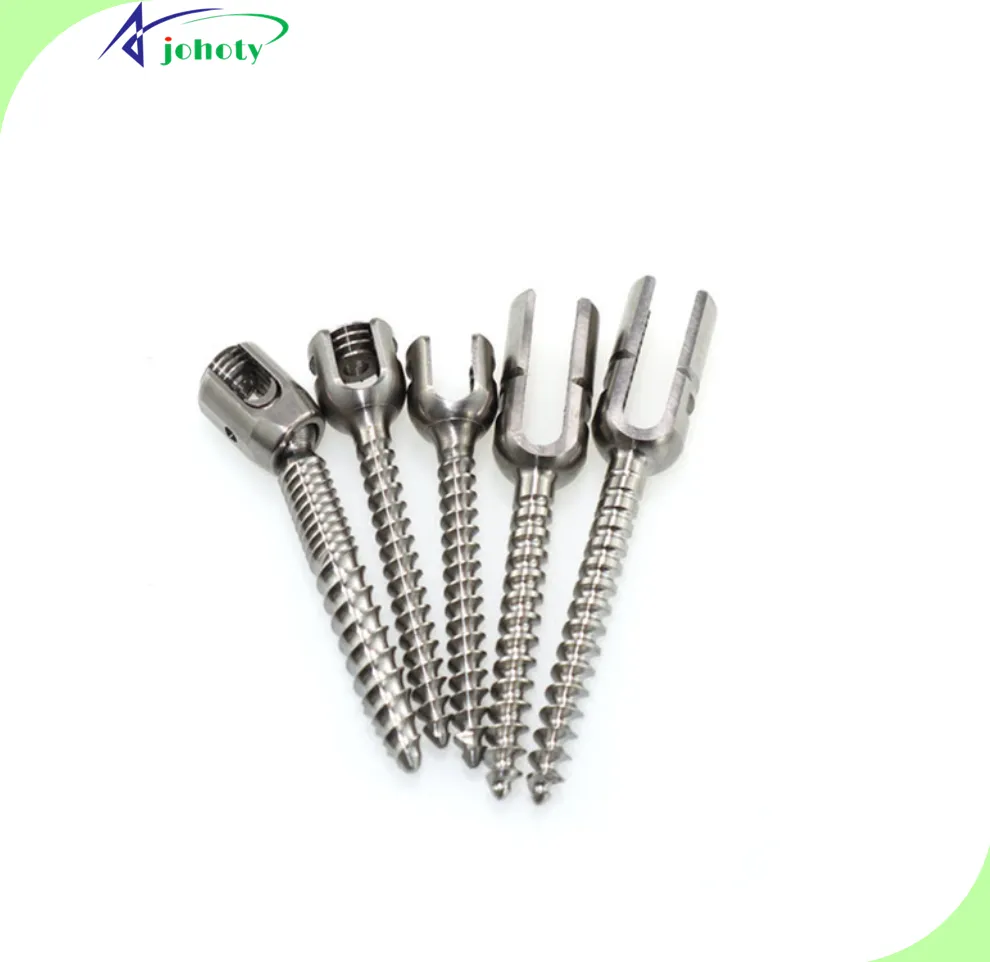
Pedicle, cortical bone trajectory, bone screws for spinal fixation
Challenges: Narrow channel, significant anatomical differences, dual sensitivity to resistance to pull-out and fatigue.
Function: Micro defect control + ASTM systematic mechanical verification, reducing the fatigue variability of bond screws.
Customization: partition design of threaded segments, low profile of the head, balance between TC4, Ti, SUS materials and imaging.
Solutions: Parameterization driven by anatomical classification + image reverse diameter, threaded window.
Efficiency improvement and cost savings: There is no unified quantification for public channels. Common benefits come from parameterized reduction of engineering hours.
Advantages: The fatigue safety margin of bone screws is more easily expressed in engineering.
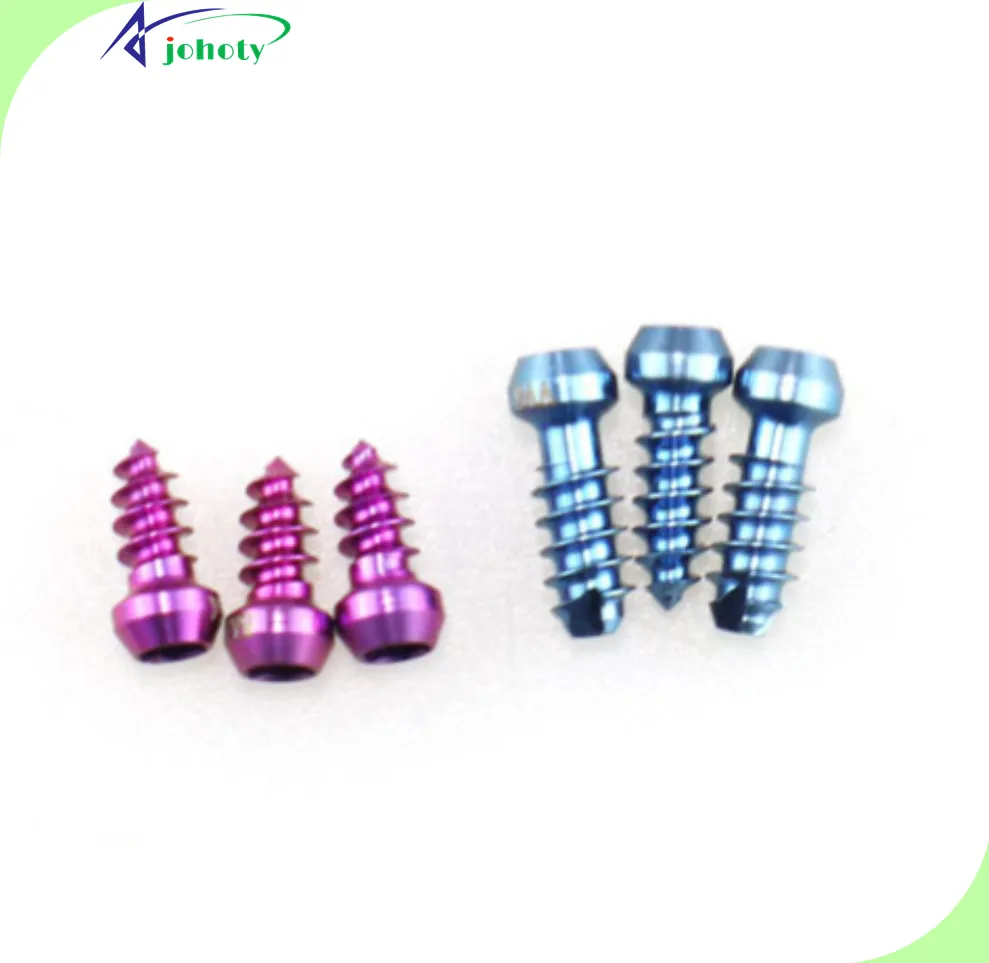
Arthrodesis bone screws ankle fusion, deformity correction
Challenges: Limited space, thin soft tissue coverage, low profile and shear resistance required.
Function: Low profile head + anti torque sliding tooth design, reducing the risk of narrow bone screws during operation.
Customizations: compression type, headless type, incidence angle head geometry, surface roughness gradient.
Solutions: Connect the compression amount, lead, head pressure surface, and tool torque limit into a closed-loop specification.
Efficiency improvement and cost savings: need to be evaluated according to the equipment package and SKU strategy. A common saving point is to reduce specialized variants.
Advantages: Johoty’s bone screws have more computable accessibility and compression controllability.
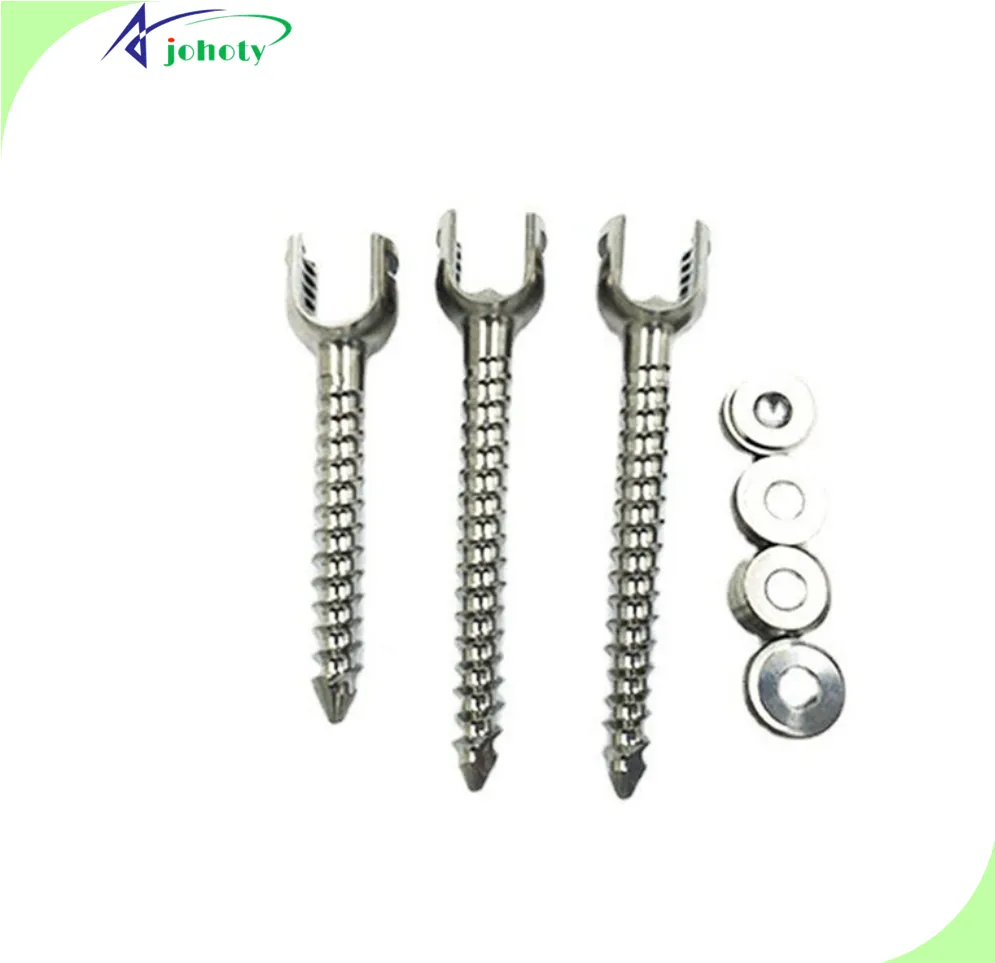
Mini bone screws for minimally invasive fixation of hands, wrists, and small bones
Challenges: Small size leads to processing, extremely narrow detection window, and micro burrs and thread deviations can amplify the probability of failure.
Function: Precision machining + micro defect control, more suitable for micro bond screws consistency.
Customizations: Micro diameter series, fine teeth, double teeth, micro drive slot optimization, antichip chamfering.
Solutions: Micro thread measurement system + key dimension strong constraint sampling strategy.
Efficiency improvement and cost savings: no universal percentage. Key factor is the specific quantity and the degree of tooling reuse.
Advantages: The size mechanical consistency of bone screws is easier to review.
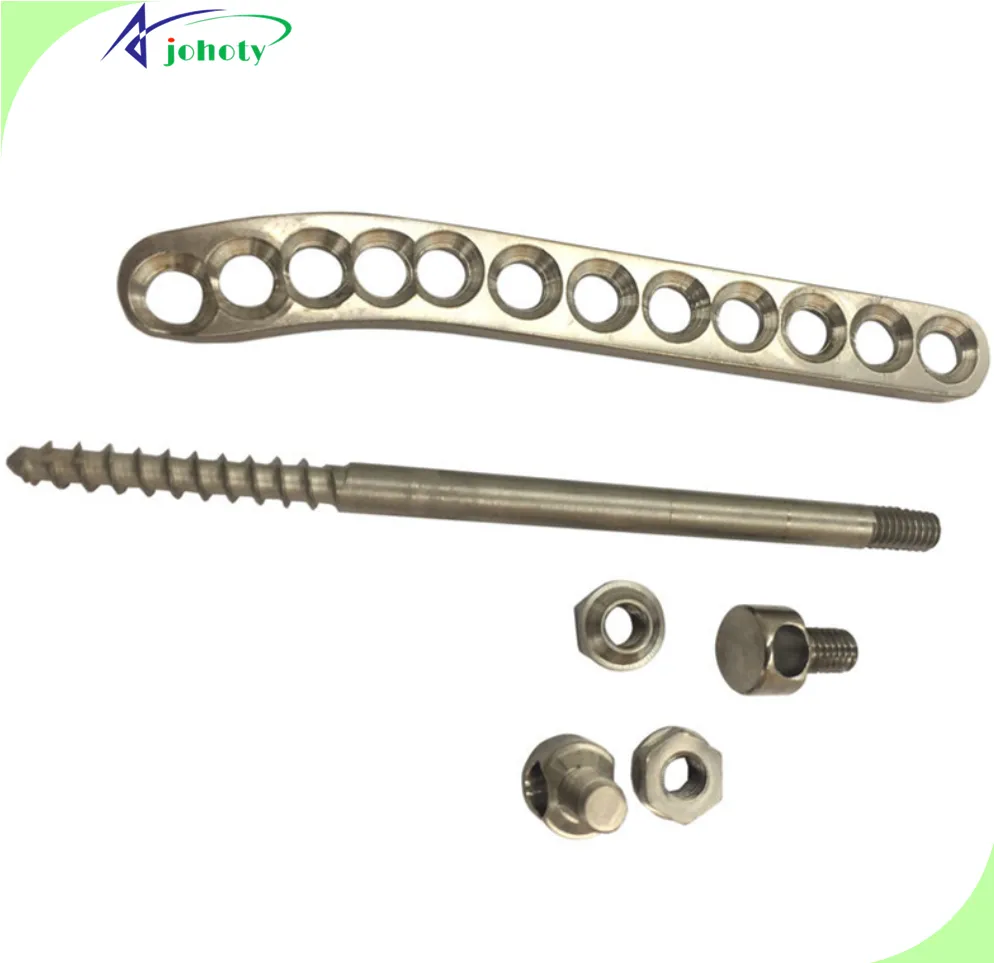
Maxillofacial bone screws for maxillofacial trauma and orthognathic fixation
Challenge: Thin cortical bone with high aesthetic requirements, requiring thinness, stability, and not overly prominent.
Function: Low profile + material, surface combination, enhances the predictability of bone screws fixation in limited bone mass.
Customized solution: Ultra low head type, short tooth segment, Ti, TC4 and SUS parallel solution.
Solution: Set the bone screws length and head height hard boundary based on the local bone thickness database.
Efficiency improvement and cost savings depend on the degree of regionalization and platformization.
Advantages: Johoty’s bone screws are aesthetically pleasing and offer a more auditable balance of mechanics.
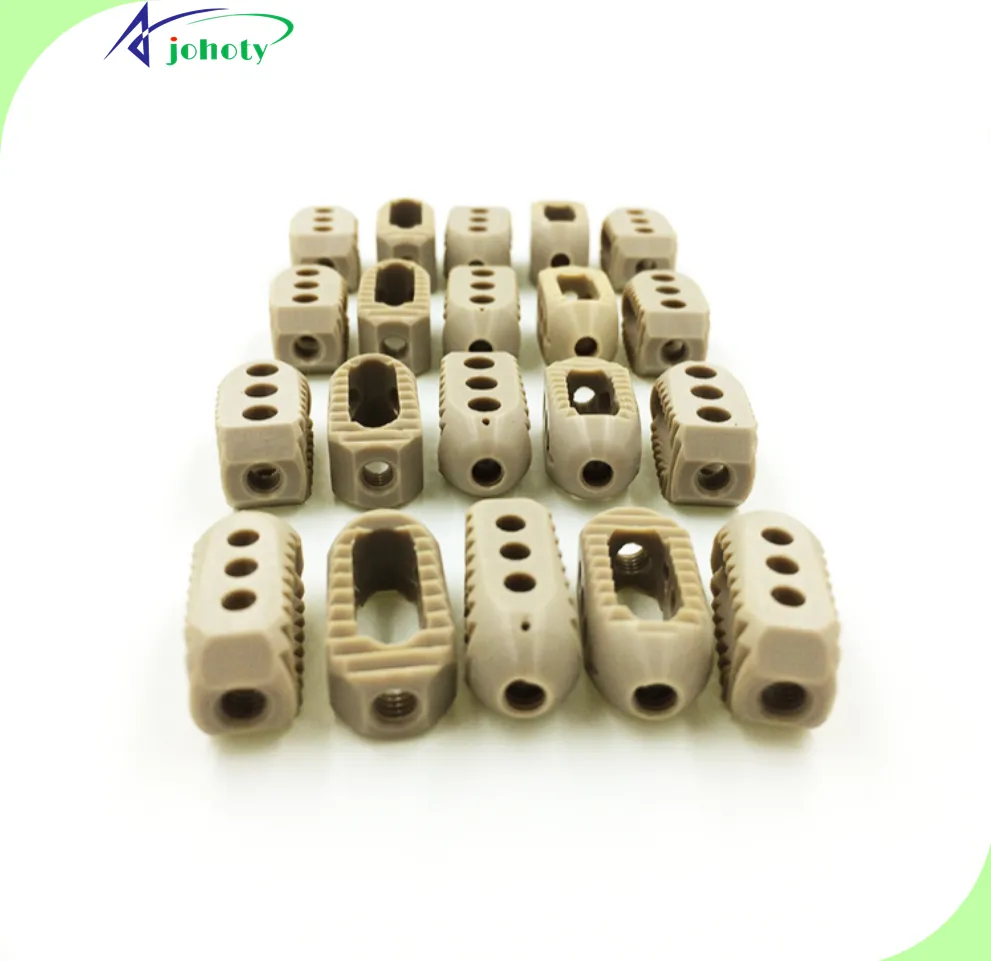
Interference, anchor adjacent bone screws for soft tissue fixation
Challenges: The interface between bone and soft tissue is complex, requiring a balance between smooth insertion, early fixation, and long-term interface stability.
Function: Controllable micro roughness, surface modification, serving early friction and subsequent bone bonding goals of bone screws.
Customization: import segment geometry, thread gradient, hollow structure and matching with guide needle system.
Solutions: Set the insertion force, torque soft tissue damage threshold as the design KPI.
Efficiency improvement and cost savings: Lack of universal public numbers, common benefits come from reducing high cost verification rounds.
Advantages: Bone screws have more controllable bio mechanical synergy indicators.
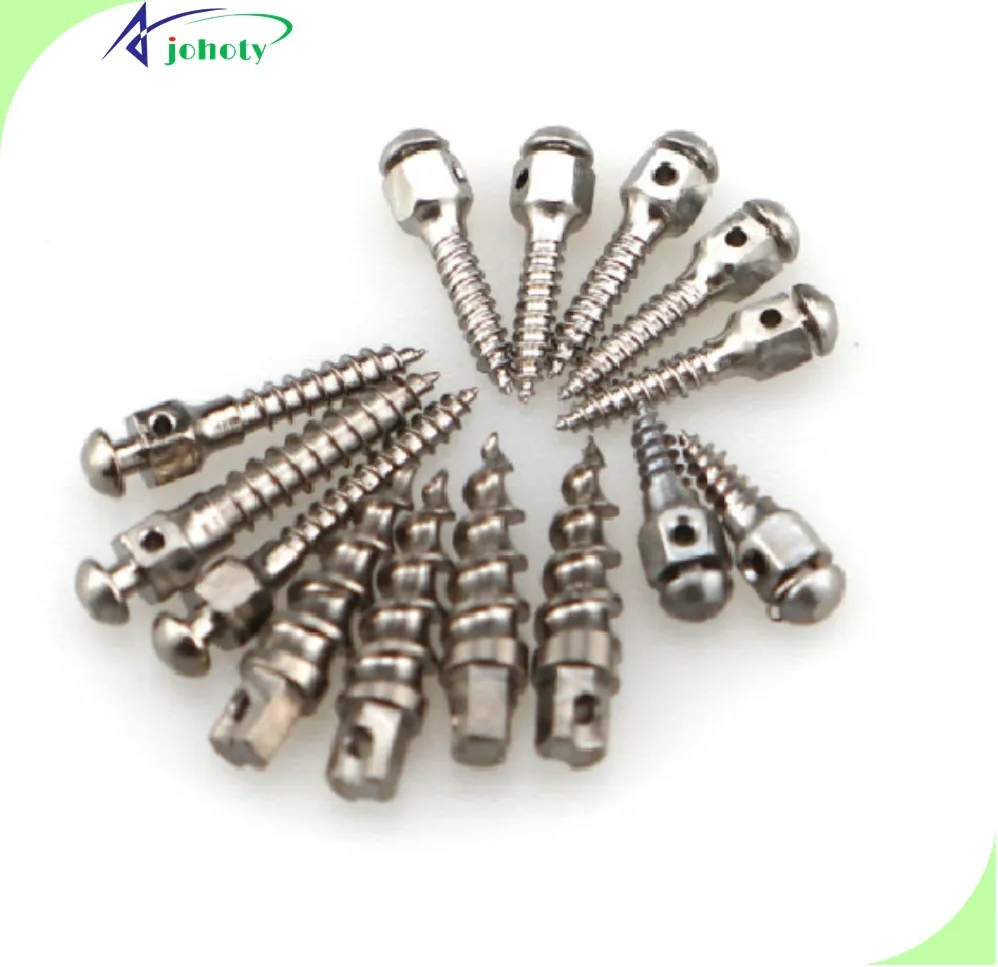
Dental implant screws, mini bone screws
Challenges: Thread jaw matching, surface consistency, extremely high batch traceability requirements, and extremely low tolerance for micro defects.
Function: Material, process combination + full chain traceability, compress bond screws batch differences.
Customizations: self-tapping, self-drilling tooth profile, neck microstructure, surface roughness window, Ti, TC4 solution.
Solutions: Establish an engineering correlation evidence chain for bond screws that includes surface parameters, torque, and initial stability.
Efficiency improvement and cost savings: The main quantitative entry point is to shorten the surface process confirmation and consistency release.
Advantages: The surface consistency and traceable evidence of Johoty’s bone screws are more conducive to the review of European and American systems.
Advantages of Bone Screws
Deep integration of materials science and compliance:
Advantages: Provides materials that comply with ASTM F136 (Ti-6Al-4V ELI), F1472 (Ti-6Al-4V), and F138/F139 (316L stainless steel). And flexibly customize according to clinical needs.
Problems solved:
Biocompatibility and mechanical properties: By strictly controlling the content of O, N, and Fe, titanium alloy (TC4) is ensured to maintain high strength. Meet the long-term biocompatibility of implants.
Consistency of material microstructure: Vacuum consumable arc melting (VAR) and subsequent heat treatment are used to obtain uniform equiaxed structure.
Compliance: Material certification from melting to finished products, meeting the traceability requirements of FDA and MDR for implant materials.
Optimization design of thread engineering and bone matching:
Advantages: Quantitative optimization of pitch, depth, and tooth profile angle based on trabecular/cortical bone and anatomical location. Johoty offers anti torque sliding tooth design and low profile.
Problem solved:
Optimization of stress distribution at the bone screw interface: Johoty used FEA to simulate the stress of bone screws during axial pulling and screwing in, reducing the risk of bone resorption.
Anti-torque sliding tooth design: adopting double thread, asymmetric tooth profile or micro thread structure to improve the self-tapping ability when screwed in. Avoid strip out, suitable for osteoporosis.
Low profile design: reduces the protrusion of bone screws and avoids soft tissue irritation. Optimize torque transmission efficiency through star and hexagonal shapes.
Surface modification, micro roughness control, and systematic mechanical verification:
Advantages: Achieve controllable processing of surface Ra and Rz, and enhance bone integration through anodizing, sandblasting, and acid etching SLA. Ensure the performance reliability of bond screws through systematic mechanical verification according to ASTM standards.
Problems solved:
Quantitative improvement of bone integration performance: By controlling surface roughness and porosity (30-50%), promoting osteoblast adhesion and proliferation, and shortening the healing cycle.
Wear and corrosion protection: The anodized layer TiO₂ improves wear resistance and ion release stability, meeting the requirements of ISO in vitro corrosion testing.
Systematic mechanical verification: Conduct axial pull-out force, screw in torque, and 5 million cycle tests according to ASTM. Ensure the structural integrity of bone screws under extreme loads.
Micro defect control: AOI and micro CT scanning are used to detect bone screws cracks or inclusions, avoiding the origin of fatigue fracture.
Traceability and Digital Manufacturing Quality System:
Advantages: From raw material smelting CNC machining、 From surface treatment to packaging, achieve full process data traceability. Ensure batch consistency of bond screws based on SPC.
Problems solved:
Closed loop control of manufacturing deviation: dynamic optimization of the process is achieved by correlating real-time cutting speed, feed rate, coolant flow rate, and final dimensions.
The auditability of quality data: Each bond screw has a UDI, which can be traced back to the melting furnace number, processing equipment, operators, and inspection reports.
Stability in mass production: By controlling the process capability with CPK≥1.67, the yield strength and fatigue limit fluctuation between different batches are ensured to be less than 5%.
FAQ
1. How does Johoty ensure the stability of Ti/TC4/SUS bone screws in a bone fixation environment?
Engineer’s Challenges:
- It is necessary to confirm the consistency of material composition, uniformity of microstructure, and predictable fatigue behavior.
- Systematic consistency with ASTM and ISO needs to be verified.
- Pay attention to the influence of surface roughness on bone integration, friction coefficient, and torque performance.
Johoty’s solutions:
Material composition control:
- TC4 (Ti-6Al-4V) strictly follows the chemical composition and mechanical threshold of ASTM F136 or F1472.
- SUS316L uses medical-grade standards and performs vacuum melting+secondary refining to ensure minimal inclusions.
- Provide metallographic level measurements of grain size and inclusion for each batch of materials.
Surface engineering and bone bonding performance:
- The controllable micro roughness range Ra is 0.2-1.5 μm, customized according to the head, thread, and handle.
- Support sandblasting, acid etching, and microstructure reconstruction to improve bone integration efficiency.
Systematic mechanical verification
- According to ASTM F543 bond screws: torque angle curve, thread tensile strength, insertion force, and extraction force. Low cycle fatigue life, data link and batch binding, auditable.
2. How to design bone screws to address bone differences, prevent slipping teeth, and prevent excessive twisting and fracture?
Engineer’s Challenges:
- I hope to obtain stable torque feedback during rotation and do not want teeth to slip due to differences in cortical bone density.
- It needs to be verified that there will be no brittle fracture or plastic collapse under the ultimate torque.
- Extra attention should be paid to the microscopic geometry of thread bone interaction.
Johoty’s solutions:
Multi bone adaptive thread structure:
- Design different pitch, depth, and flank angles for cortical and cancellous bones to make the initial screw in force and final locking torque more controllable.
- Avoid stress concentration causing thread collapse in low bone density environments.
Anti-torque sliding tooth design:
- The depth of thread indentation, side angle, and chamfer have been verified through FEA simulation to ensure that the shear force is greater than the peak screw in torque.
- The critical sliding torque and maximum allowable installation torque are ≥1.8.
Optimization of anti-brittle fracture structure:
- Optimize the transition zone R angle to reduce stress concentration.
Adopting precision controlled heat treatment to enhance the fatigue limit of Ti/TC4, while maintaining ductility under extreme torque.
- Bone Density Matching: Provide thread optimization parameters for different bone regions of D1-D4 as needed.
3. Can Johoty ensure batch traceability and micro defect controllability of bond screws?
Engineer’s Challenges:
- It is necessary to ensure that there are no hidden defects such as cracks, inclusions, thread eccentricity, and micro holes.
- Traceability is required, including raw materials, processing, heat treatment, and surface treatment.
- Batch consistency of Bone Screws is more important than individual performance.
Johoty’s engineering solutions:
Micro defect control strategy:
- Use Eddy Current, Immersion Ultrasound, and Microscopic CT for defect screening.
- Focus on inspecting the root of the thread, as it is the area with the highest stress concentration.
- Control the threshold size of micropores to ensure stable fatigue life.
Geometric consistency control:
- Bone screws perform optical scanning of thread profiles to monitor pitch, lead, thread coaxiality, and roundness.
- Comprehensively record tool compensation and batch tool wear status.
Full chain traceability system:
- Bone screws have UDI, corresponding to material furnace number, processing parameters, heat treatment records, inspection data, and surface technology.
- Bone screws are suitable for the preparation of MDR and FDA related technical documents.
Low profile and high-precision tolerance control:
- Ensure the strength of the bone screws driving groove in the low profile head structure, and reduce microcracks through cold forming or precision milling.
Engineer’s Challenges:
- It is necessary to confirm the consistency of material composition, uniformity of microstructure, and predictable fatigue behavior.
- Systematic consistency with ASTM and ISO needs to be verified.
- Pay attention to the influence of surface roughness on bone integration, friction coefficient, and torque performance.
Johoty’s solutions:
Material composition control:
- TC4 (Ti-6Al-4V) strictly follows the chemical composition and mechanical threshold of ASTM F136 or F1472.
- SUS316L uses medical-grade standards and performs vacuum melting+secondary refining to ensure minimal inclusions.
- Provide metallographic level measurements of grain size and inclusion for each batch of materials.
Surface engineering and bone bonding performance:
- The controllable micro roughness range Ra is 0.2-1.5 μm, customized according to the head, thread, and handle.
- Support sandblasting, acid etching, and microstructure reconstruction to improve bone integration efficiency.
Systematic mechanical verification
- According to ASTM F543 bond screws: torque angle curve, thread tensile strength, insertion force, and extraction force. Low cycle fatigue life, data link and batch binding, auditable.
Engineer’s Challenges:
- I hope to obtain stable torque feedback during rotation and do not want teeth to slip due to differences in cortical bone density.
- It needs to be verified that there will be no brittle fracture or plastic collapse under the ultimate torque.
- Extra attention should be paid to the microscopic geometry of thread bone interaction.
Johoty’s solutions:
Multi bone adaptive thread structure:
- Design different pitch, depth, and flank angles for cortical and cancellous bones to make the initial screw in force and final locking torque more controllable.
- Avoid stress concentration causing thread collapse in low bone density environments.
Anti-torque sliding tooth design:
- The depth of thread indentation, side angle, and chamfer have been verified through FEA simulation to ensure that the shear force is greater than the peak screw in torque.
- The critical sliding torque and maximum allowable installation torque are ≥1.8.
Optimization of anti-brittle fracture structure:
- Optimize the transition zone R angle to reduce stress concentration.
Adopting precision controlled heat treatment to enhance the fatigue limit of Ti/TC4, while maintaining ductility under extreme torque. - Bone Density Matching: Provide thread optimization parameters for different bone regions of D1-D4 as needed.
Engineer’s Challenges:
- It is necessary to ensure that there are no hidden defects such as cracks, inclusions, thread eccentricity, and micro holes.
- Traceability is required, including raw materials, processing, heat treatment, and surface treatment.
- Batch consistency of Bone Screws is more important than individual performance.
Johoty’s engineering solutions:
Micro defect control strategy:
- Use Eddy Current, Immersion Ultrasound, and Microscopic CT for defect screening.
- Focus on inspecting the root of the thread, as it is the area with the highest stress concentration.
- Control the threshold size of micropores to ensure stable fatigue life.
Geometric consistency control: - Bone screws perform optical scanning of thread profiles to monitor pitch, lead, thread coaxiality, and roundness.
- Comprehensively record tool compensation and batch tool wear status.
Full chain traceability system:
- Bone screws have UDI, corresponding to material furnace number, processing parameters, heat treatment records, inspection data, and surface technology.
- Bone screws are suitable for the preparation of MDR and FDA related technical documents.
Low profile and high-precision tolerance control:
- Ensure the strength of the bone screws driving groove in the low profile head structure, and reduce microcracks through cold forming or precision milling.